B O O K S C A M E L

Loading

Bookscamel is a leading company among book publishers in India. With over 8 years of experience in the publishing industry, we understand the needs of readers. Our publishing platform gives authors an opportunity to reach millions of readers. We are one of the most trusted book publishers in India and have a reputed presence in the nation in terms of quality printing and publishing support. Connect with our publishing consultants to know more about publishing opportunities at Bookscamel.

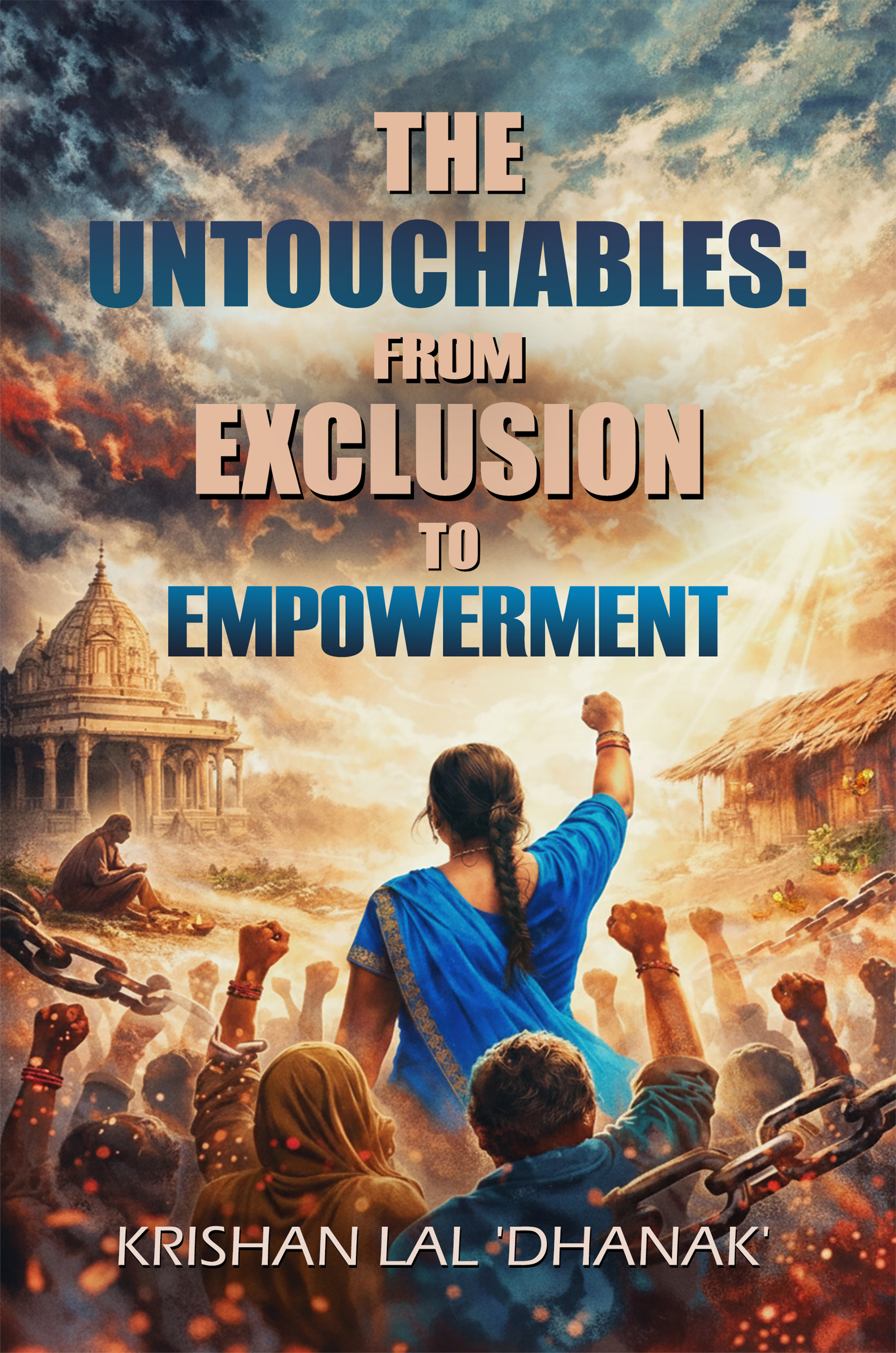
The Untouchables: From Exclusion to Empowerment

Stock availability
(0 Customer Reviews)

Author: Krishan Lal 'Dhanak'

₹831.00

SKU: Book2301663C
ISBN: 9789374245620
Book Size: 6*9
No of Pages: 236
Paper Color: Cream Paper
Cover Lamination: Glossy
Language: English
Launch Date: 28 Feb, 2026
Also Available On:

The history of the untouchables, or Dalits, in India is one of systemic exclusion, enduring marginalization, and a gradual, hard-won journey toward empowerment. Rooted in the hierarchical caste system, untouchability constituted one of the most rigid forms of social stratification, restricting access to social, economic, and religious domains for those born into communities labelled as “impure.” Historically, Dalits were relegated to menial occupations such as manual scavenging, leatherwork, and sanitation labour-tasks considered polluting by dominant castes. Beyond occupational segregation, untouchables were denied access to temples, common water sources, schools, and participation in civic life. This structural exclusion created deep socio-economic disparities that persisted across generations, leaving a legacy of systemic disadvantage. Understanding this history requires a careful examination of both the institutional mechanisms of exclusion and the socio-political forces that eventually fostered empowerment. The origins of untouchability can be traced to the codification of social hierarchies in ancient India. Texts such as the Manusmriti (circa 200 BCE-200 CE) outlined rigid caste-based rules, designating specific communities as outcastes and prescribing severe restrictions on social interactions, occupations, and religious participation. Social ostracism was both a cultural and moral mechanism to enforce hierarchy, legitimizing deprivation through religious sanction. In rural economies, Dalits were largely confined to occupations that sustained society yet were socially devalued, ensuring their continued dependency and social marginalization. Institutionalizing discrimination, the caste system created enduring patterns of social exclusion that persisted through successive historical periods.

SKU Book2301663C
ISBN 9789374245620
Dimensions 6*9
Total Page 236
Paper Color Cream Paper
Cover Laminations Glossy
Language English
Publish Date 28 Feb, 2026

No reviews found.

Your Rating*

Your Name*
Your Email*
Your Rating (1-5)*
Message*

Related Products

Discover books from our collection.

Guduchi Ghrita: As a Therapeutic Use
  • ₹349.00
  • Dr. Priyanka Gupta
Love Bites - Poems Celebrating Love, Nature, and Innate Desire
  • ₹399.00
  • Dr. Bipin Saxena
Positive Psychology in Inclusive Education
  • ₹499.00
  • Akash Ranjan Panda, Sukeshini Jaipal Khobragade,Rakesh Kumar Singh
Bund Bund pani
  • ₹125.00
  • Ankushree
Tikdam
  • ₹260.00
  • Abhishek Yadav (Vidrohi)
A Concise Note on the Evolution of Ayurveda
  • ₹235.00
  • Dr. Sachin S Bagali
When Absence Speaks
  • ₹599.00
  • Vishal Kumar Singh
Be-Awaz Diary
  • ₹199.00
  • Chandralok Jha
2050: Chetna ki Kranti
  • ₹149.00
  • Gaurav Varshney (Vaibhav – Kavi Lal Badshah)
Pandit Deendayal Upadhyay
  • ₹360.00
  • Sunil Kumar Pandit